Desco is a very small frazione of Morbegno – across the Adda River and facing the eastern-most side of Talamona – with what was once a fabulous view of the river that is now scarred by a large quarry. This 50-house – 101-person village is perched precipitously on the side of a mountain where a small ‘table’ protrudes and provided the possibility of house building.
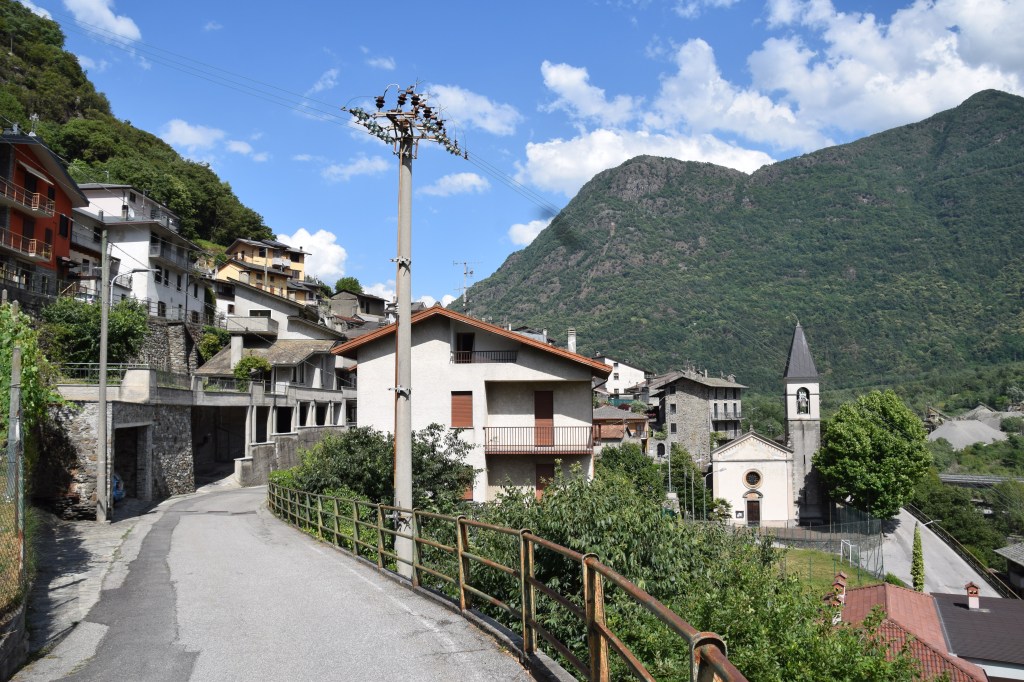
The name ‘desco’ derives from the Latin ‘descus’ meaning ‘table’ and one has to wonder if this was how the original workers of the land referred to the location of their gardens. The history of Desco, thus, is linked to Cadelpicco – the small hamlet above Dazio and just east of grand Caspano with its Palazzo Parravicini and Chiesa di San Bartolomeo – the belvederes of both offering cool breezes and spectacular views of the mountains. It is Cadelpicco from whence the families of long ago came.
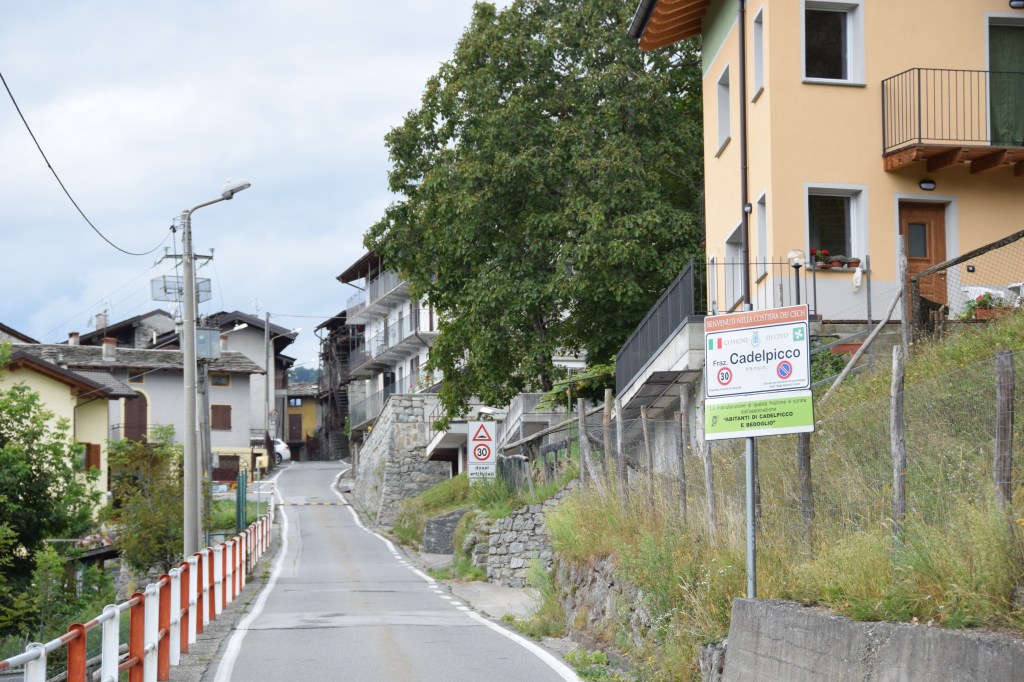
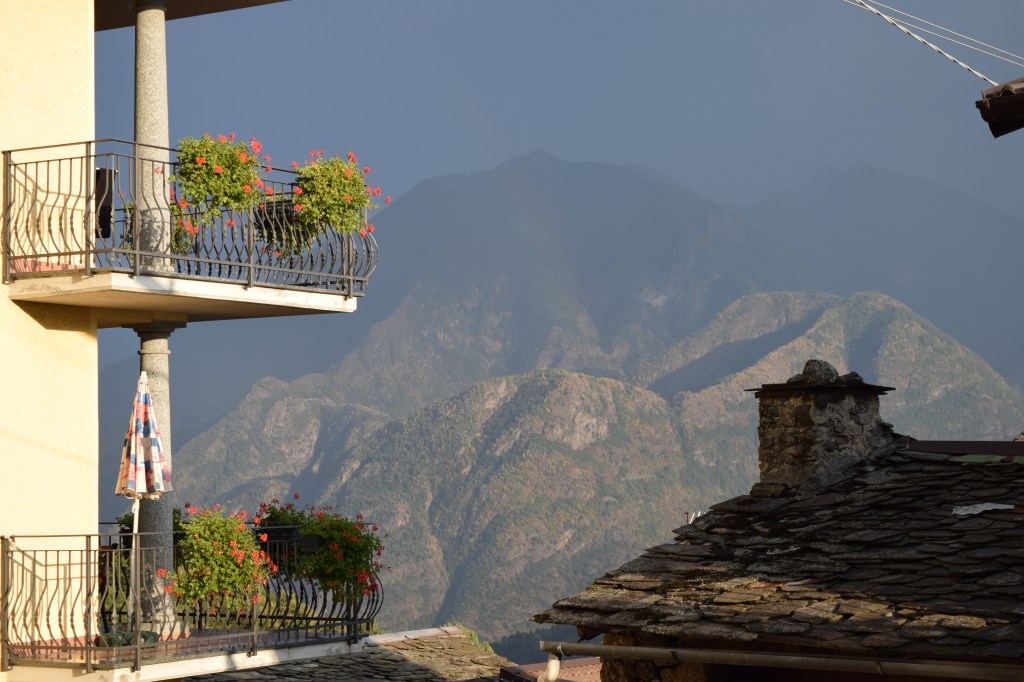
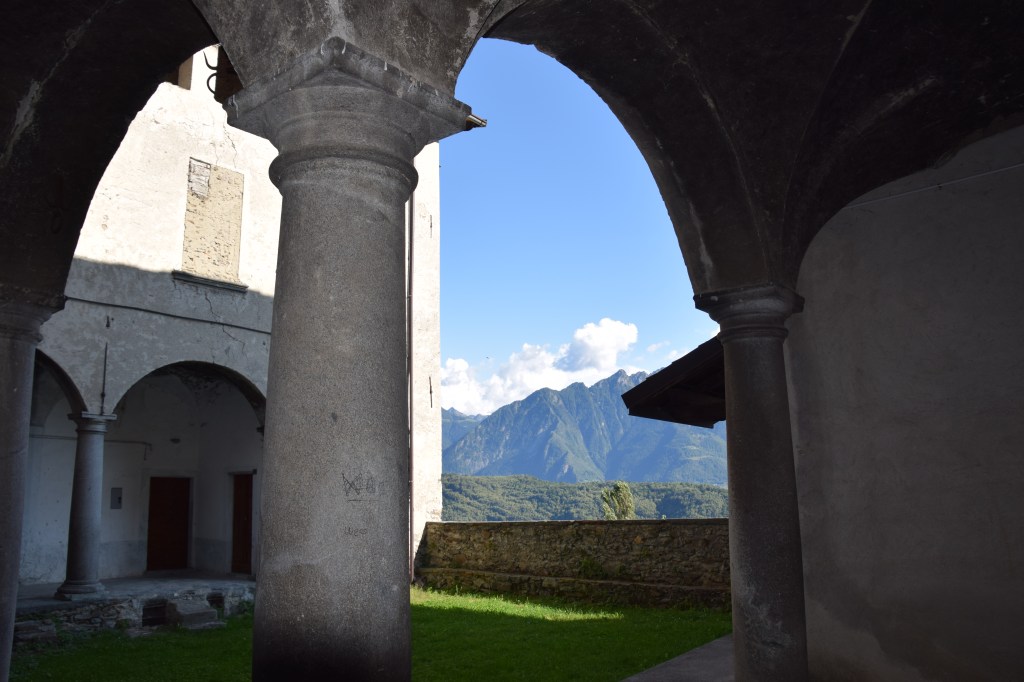
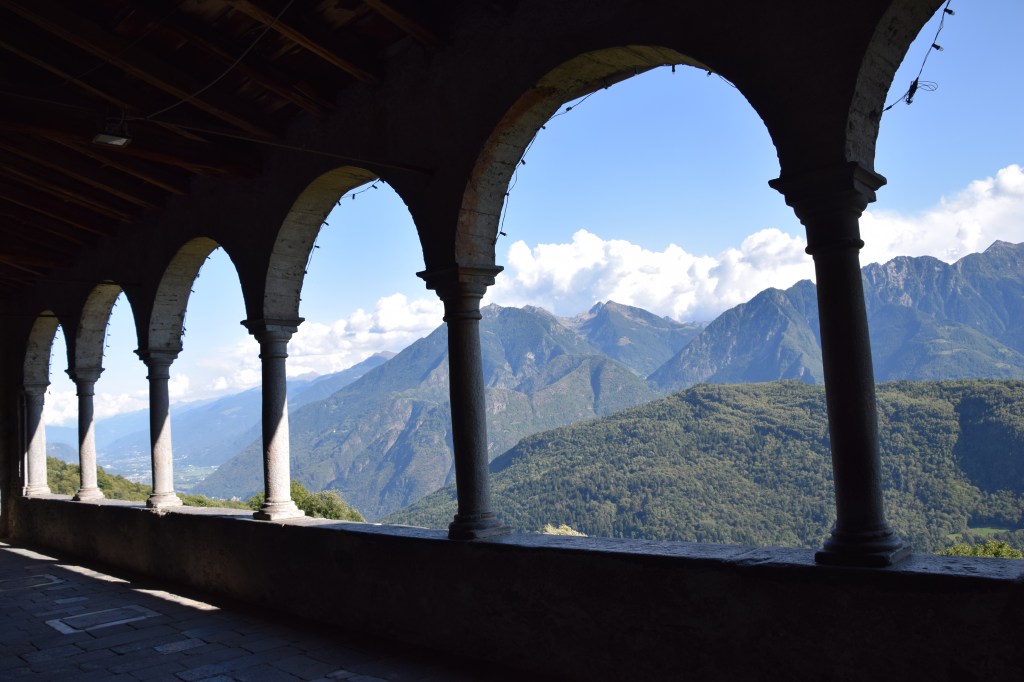
As the fertility of the people and the soil increased the population of Cadelpicco, families looked for nearby lands to cultivate. And so they moved down the mountain – spending their days working nearby slopes and ‘prati’, and returning home each night tired from the long 500-meter climb back to their beds. Eventually, the hard-laboring farmers built small, straw-roofed huts where they might stay when exhaustion overwhelmed the vertical trek home.
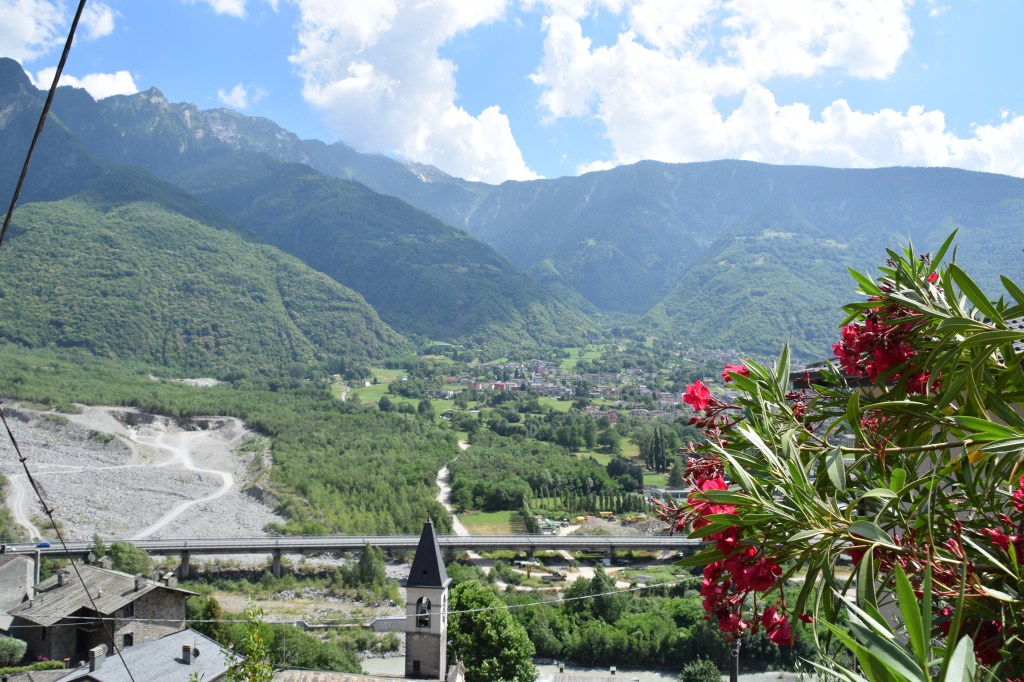
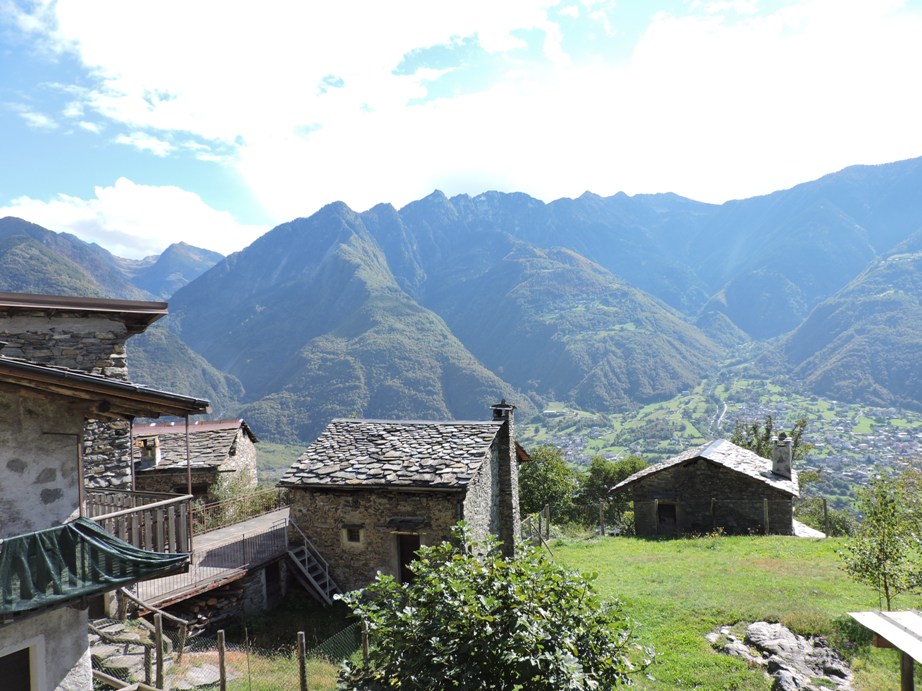
This habit eventually established the tiny hamlet of Porcido – where families would – and (some) still do – stay the three summer months each year – and Desco and Paniga – where the abundance of the land and convenience of the geography bred year-long permanence and still occupied villages.
Desco was famous for its special red wine called “chèlrós” in the Valtellina dialect – and its 16th-century church – Chiesa di Santa Maria Maddalena – within which one finds a recently restored painting of the crucifixion. Interestingly the name of the donor survives – Giovanni Crosetto di Cadelpicco – but not the artist!
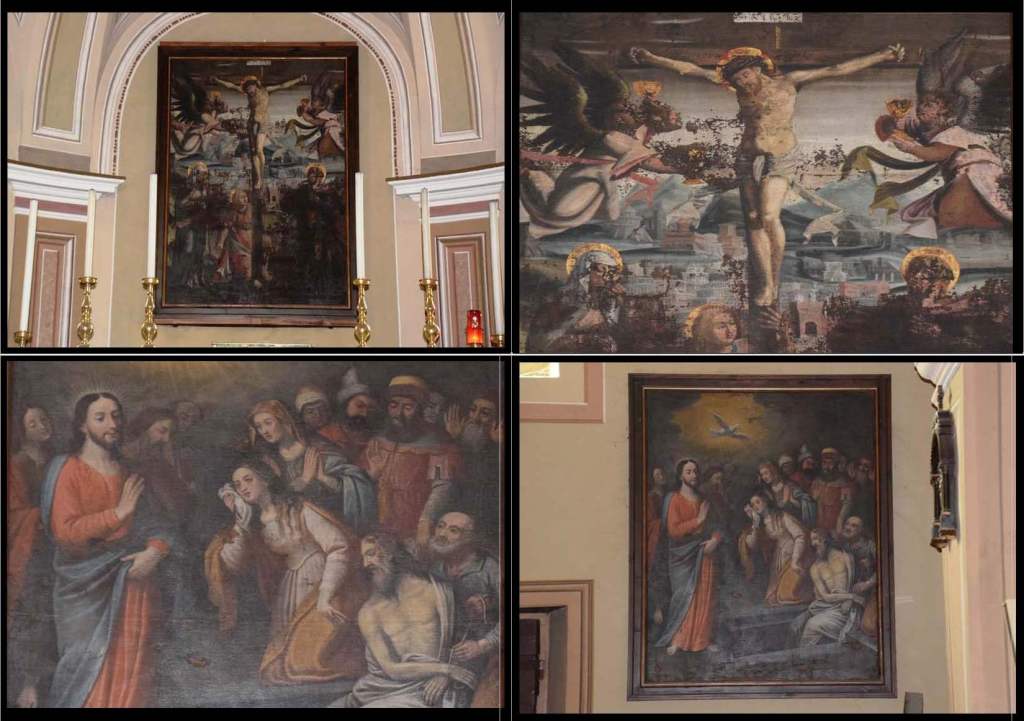
The above montage shows the two paintings for which the small church is known, The paintings were recently restored. On the top is a crucifixion showing the Great Virgin mourning on the left, Mary Magdalene kneeling embracing the cross, and St. John the Beloved Disciple on the right. Beneath the cross can be seen a skull. This is believed to be the skull of Adam. According to a friend who is a classicist:
“Early Christian legend had it that Jesus’s cross was erected over the spot where Adam was buried. The Bible said the cross was set up at a place called Golgotha (Heb(rew), “place of the skull”). So the question arose, who’s skull. Jesus was considered “the New Adam,” so how perfect… the cross was erected over the grave of the First Adam.”
On the bottom is the 17th-century painting of the Resurrection of Lazarus. I know that Giovanni Crosetto di Cadelpicco paid for the crucifixion but I do not know if the dates of both paintings and the lifespan of Giovanni Crosetto di Cadelpicco would imply he paid for the Lazarus. Given that the crucifixion was painted in 1531 I doubt that is the case.
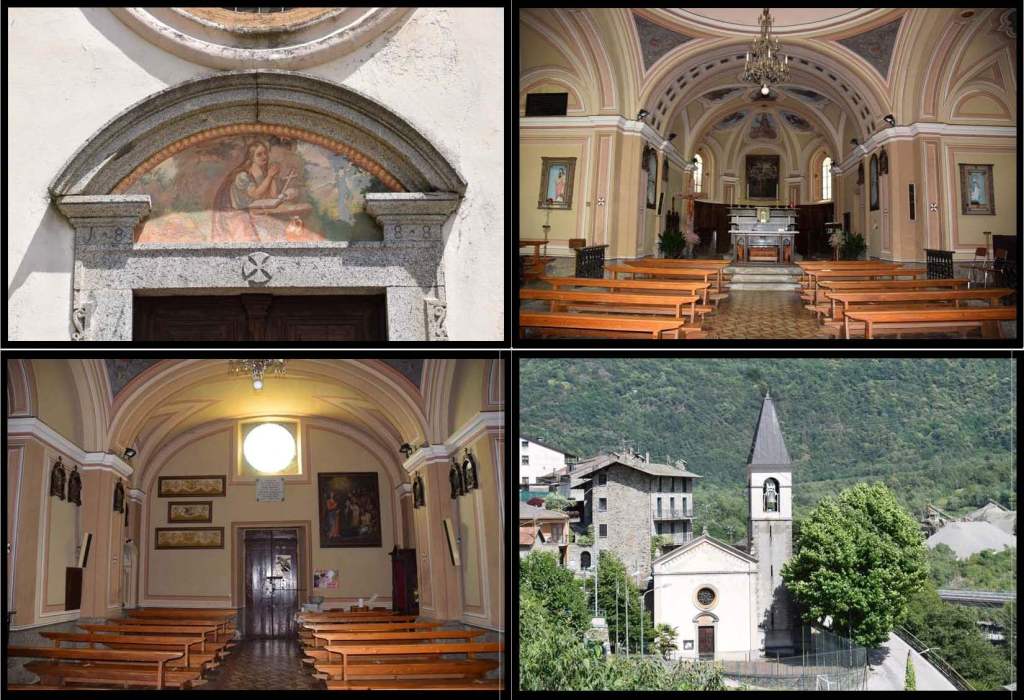
Perhaps the dedication of the parish church to Mary Magdalene heralds to the uninhabited, rural beginnings of Desco so like the life of the Magdalene who – after the death of Christ – lived and labored as a hermit in lands far from people and the comforts of a hearth.
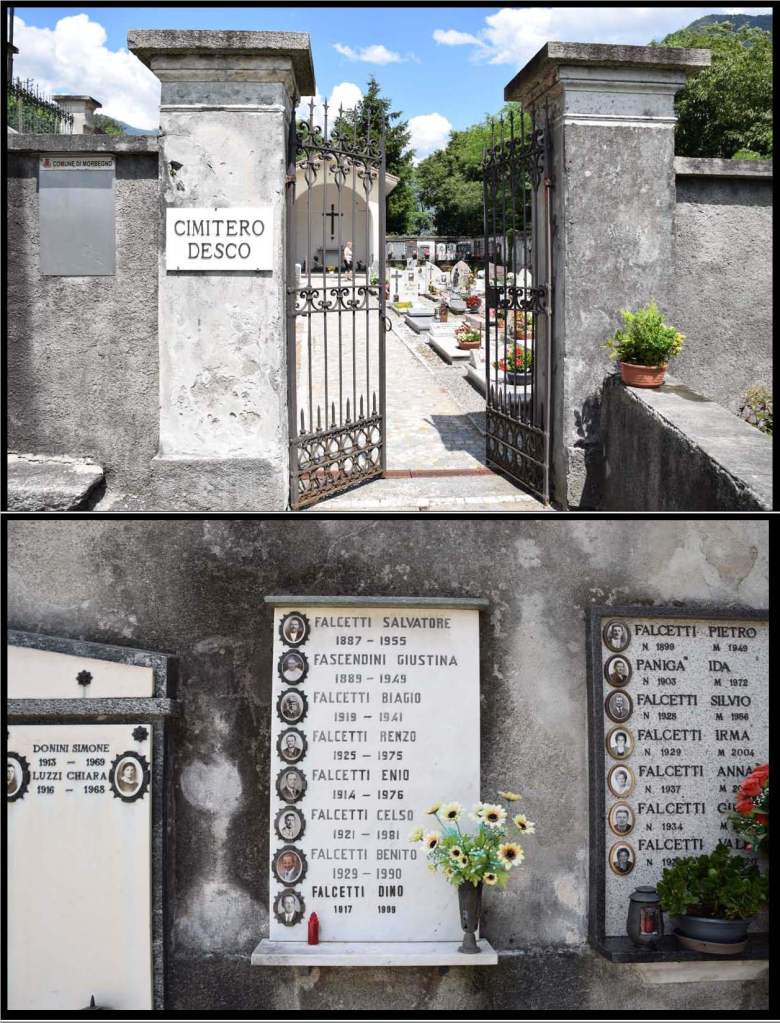
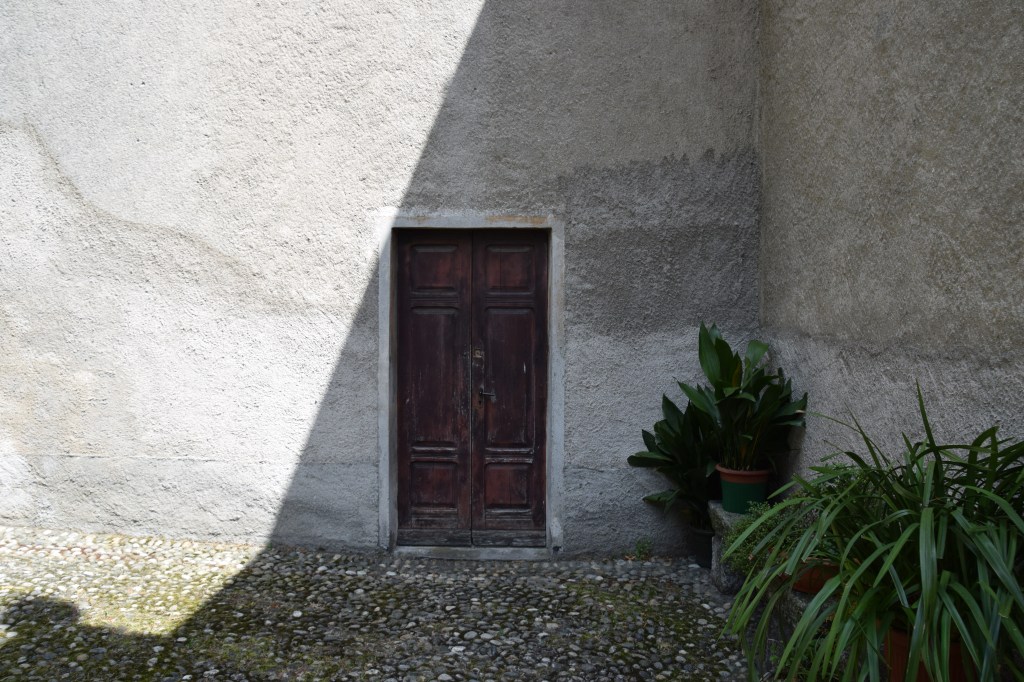
I thought the church was closed and inquired of a woman who I met in the local cemetery where I went to look for any Giacomo Falcetti’s. She directed me to a tiny side door that offered access. She called the door a ‘portacino’ – a word that ends with the Italian suffix for the diminutive – ino. But I cannot find ‘portacino’ in any dictionary. Certainly Italian allows the same creativity as English and with suffixes and prefixes new words are ours for the making!
I was in Desco looking for Wall Madonna’s since my first visit a few years ago had yielded none. I found two lovely frescoes. But, I journeyed, too, because Desco, is a family town. My Aunt Rena (Margarita Pierina 1901-1979) – oldest sister to my father – in 1924 married a James Falcetti from Desco.
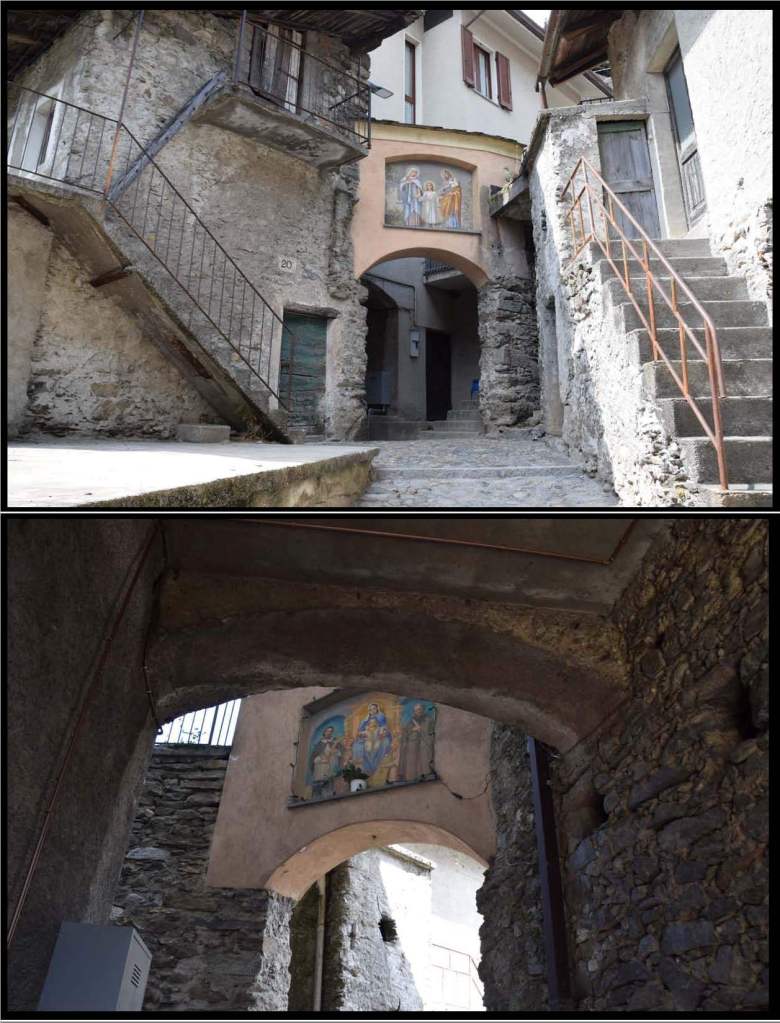
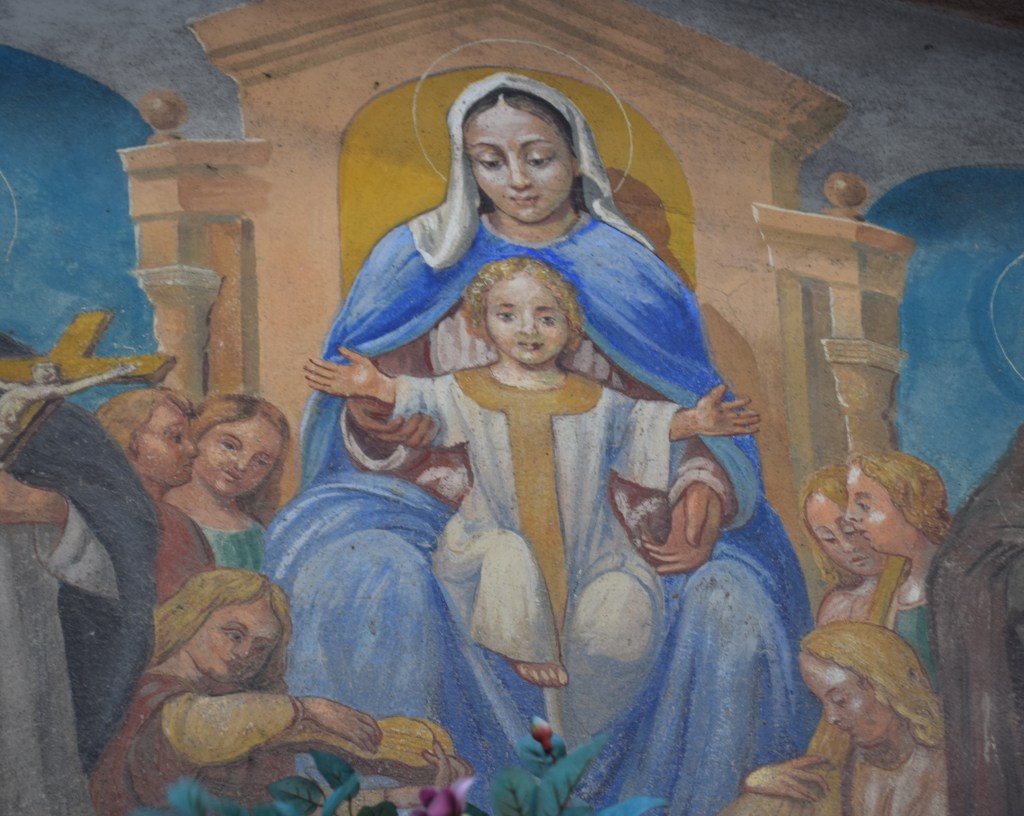
The lower fresoco in the montage shows an enthroned Virgin and Child. I am not certain of the male saints. The saint on the left is a martyr indicated by the palm frond he holds. The palm frond represents the triumph of the spirit over the flesh. I thought he might be a Cistercian but I am not sure. This could be Saint James the less who was crucified. The saint to the right looks like San Bartolomeo who was flayed as a method of execution. But I am not certain of my accuracy. The fresco dates to 1916 according to the notes that indicate two restorations. The two notes read: On the right – 1916 Donini Giovanni Rest. 1983. On the left: REST. A.D. 1998 DA DONINI EMMA.

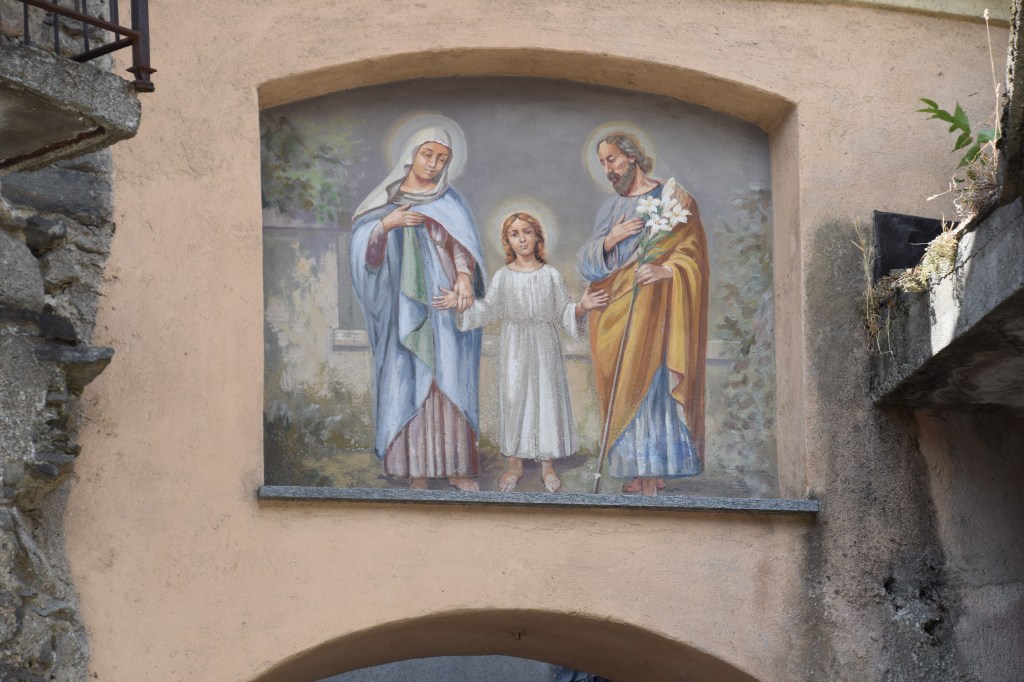
This fresco faces the Valtellina and it the top image from the montage. It shows a Sacra Famiglia – the Holy Family. Joseph holds the staff brought to a betrothal. Legend claims that when 16-year old Mary chose him from all the other suitors, his staff blossomed.
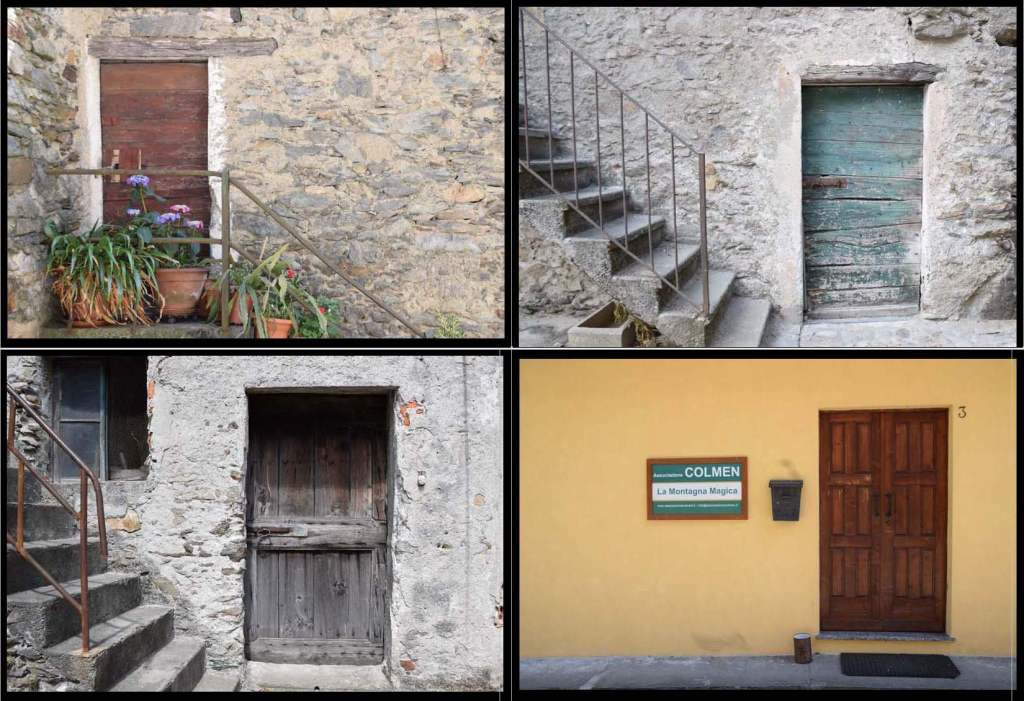
I find it fascinating that my Aunt Rena found – in New Britain, Connecticut – a man who was born a scant 5 miles from Cosio Valtellino where she was born. Perhaps the Falcetti’s and Merlini’s – who came to New Britain to work in the many factories there – were friendly and shared their common hometown roots being outsiders together – not just as ‘new’ Americans but as Italians too since most immigrants were from southern Italy and not the mountains of Lombardy.
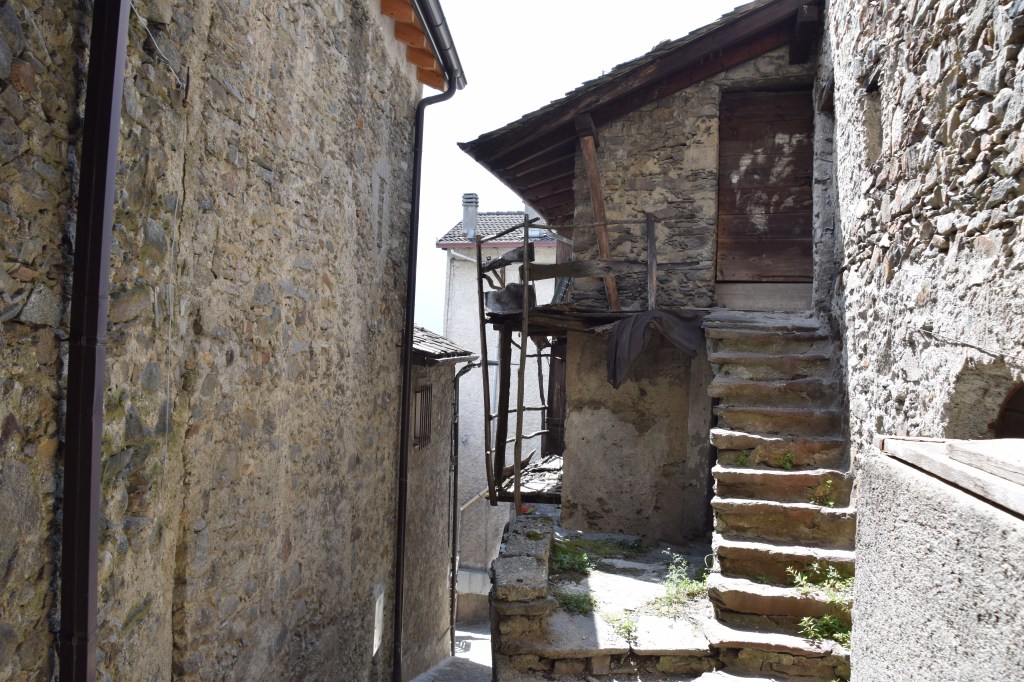
The roads that lead to the homes in Desco are narrow, steep, and winding. Looking for frescoes is an up and down hill labor. In such small towns I usually climb to the back of the town – the highest street – and search for ways to access what were the former fronts of homes where old frescoes were most ofte
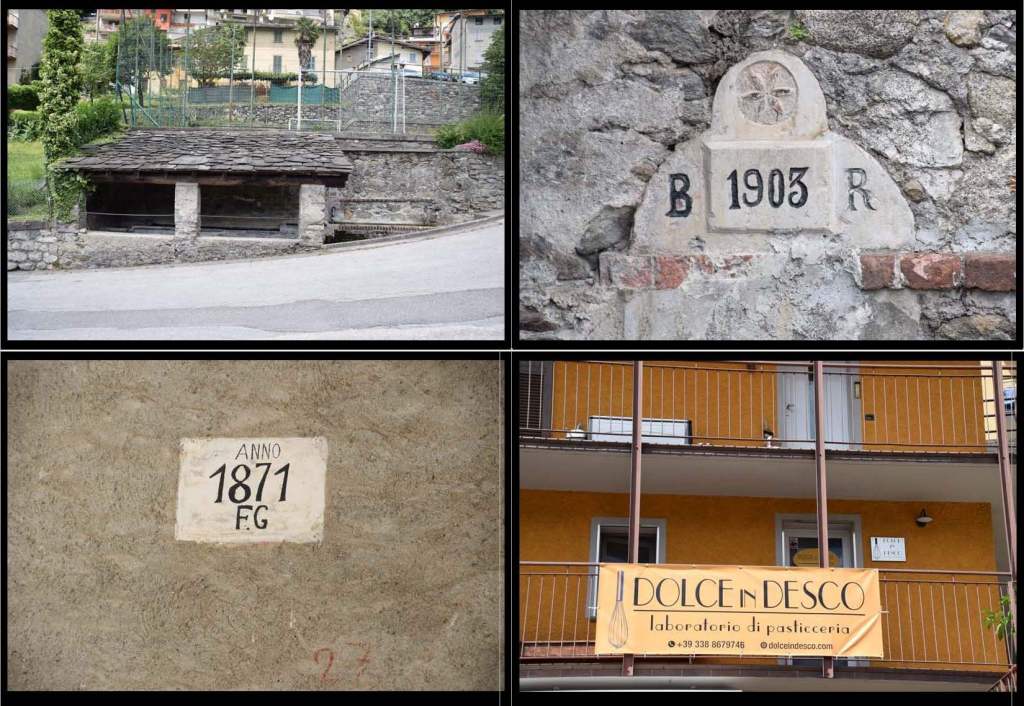
The montage shows what must have been a celebrated ‘modern’ convenience – the Lavatoio Comunale of 1903! It is located on the via Valeriana – the road to town that leads from Paniga on the valley floor. This was likely the only spot suitable for the large communal laundry troughs. Also shows is a sign preserving the original age of a newly restored home. The sign advertising the only business in town was necessarily large. The laboratorio di pasticceria – DOLCE IN DESCO – was locating high above the church and peaking out from a cluster of homes that embraced the edges of the building. The pastry shop was closed – a real disappointment!
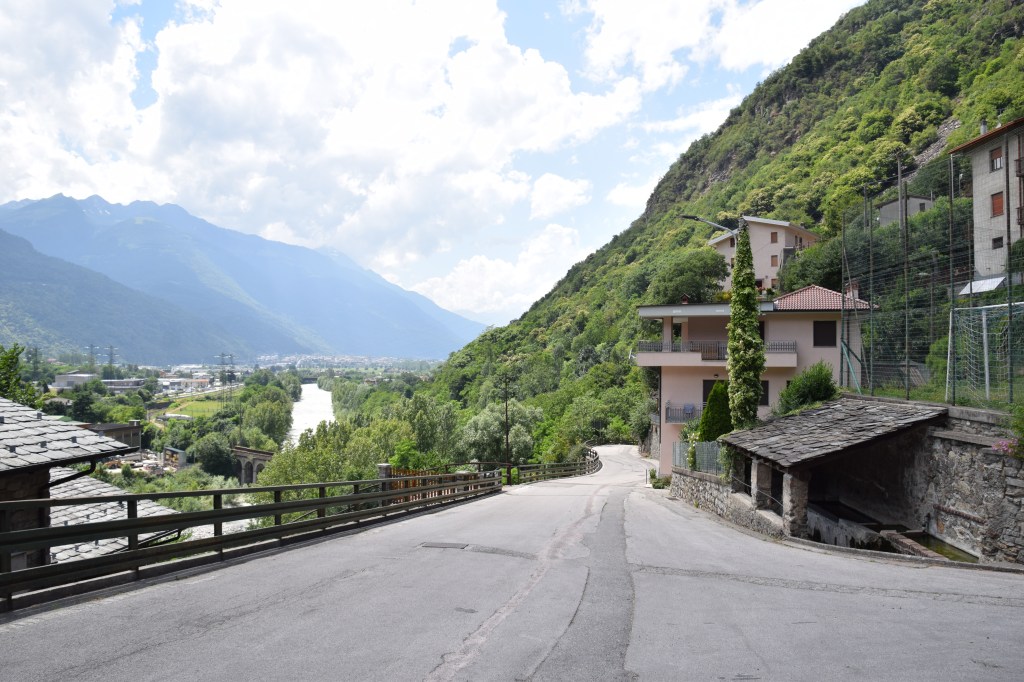
This is the via Valeriana and one can see the communal laundry on the right. The River Adda – seen flowing past Desco to Lake Como – brushes the toes of the village directly beneath the via Valeriana. If one jumped over the guardrail one would land in the river!
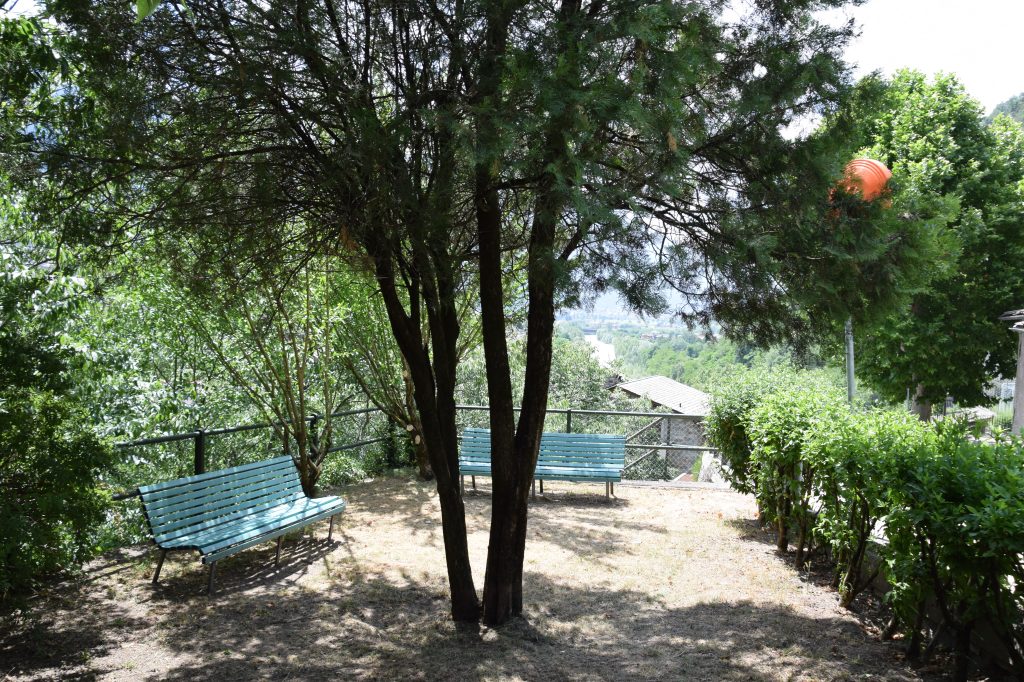
My cousin Joseph Falcetti – born in 1925 and Aunt Rena’s only child – will celebrate his 96th birthday soon. I wanted to offer a few photos from his father’s birth-town to him.

I hope you enjoyed the Wall Madonna’s of Desco and the few photos that I hope portray what – before the artifacts of modernity – must have been the charm of living with one’s feet in the River Adda and one’s head in the mountains of the Valtellina! Enjoy your day! Happy birthday cousin Joe Falcetti!
 Wall Madonna's of the Valtellina